What to Wear in Antarctica: The Complete Packing Guide
What to wear in Antarctica is less about finding the warmest things you own and more about what they’re made of, and knowing what your ship already provides before you start packing. I barely thought about any of this before my own expedition, packed roughly twice what I needed, and wish someone had told me earlier: the parka your ship provides is a 3-in-1 jacket, and it changes the entire equation. If you just want the list, jump straight to the Antarctica packing checklist.
What’s the Weather Like in Antarctica?
Whether 38°F sounds like a routine winter day or the tundra depends entirely on where you live, and that matters more than any packing list. If you’re from the Midwest, you probably own most of what you need already. If you’re from Florida, don’t panic, but pay attention.
Antarctica’s expedition season typically runs November through April, when the ice has melted enough for ships to reach the Peninsula. Temperatures during that window stay mostly in the 30 to 40°F range, but sun coverage, wind, and rain shift the feel dramatically. And unfortunately, you can’t easily Google the current weather in Antarctica and have it mean anything useful. This is why layering isn’t just the tip you’ve heard before. It’s the strategy.
The Layering Strategy to Live By
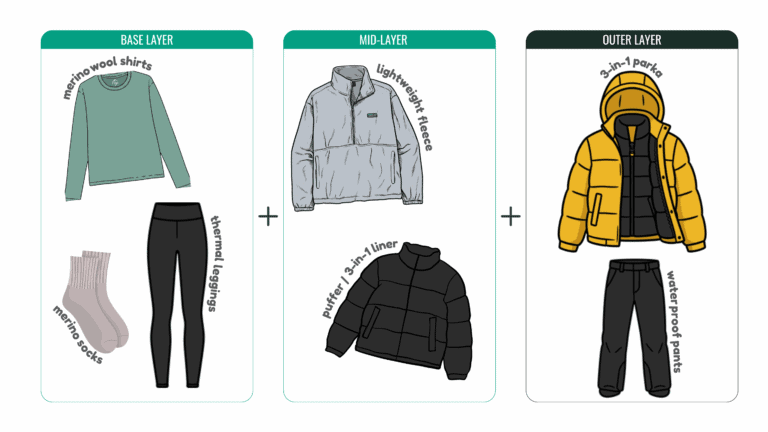
Every operator will tell you to follow a three-layer approach: base layer, mid-layer, outer shell. That’s correct, and it sounds more complicated than it ends up being. By my third landing day, my boyfriend and I had stripped down to a short-sleeve merino shirt under the ship-provided parka and nothing else. Antarctic summer sun does real work when it’s out, and moving around on landings generates more heat than you’d expect, especially when the parkas do an incredible job at insulating.
What to Wear in Antarctica Really Comes Down to Material
Two things matter more than how many layers you have: material and weight. Merino wool is the single best investment you can make for this trip. It’s soft, antimicrobial, temperature-regulating, and dries fast, which means you can rewear it multiple times without anyone knowing. I wore merino through a year of living out of a single backpack, and Antarctica is where it genuinely earns every penny. Cotton is the exact opposite. It holds moisture, stays wet, and will make you miserable if you get caught in rain on a zodiac. Leave it home. Before you pack, check out my full breakdown of what to expect on landings.
Base Layers (and Why Your Socks Are the Most Important Thing You’ll Pack)
For bottoms: a thermal legging if your legs tend to get cold, or regular athletic leggings if they don’t. Either works. For tops: long sleeve, not heavy. The base layer is exactly that; a foundation, not the thing doing the work.
The base layer item that catches everyone off guard is socks. Not just any socks. Tall, thick socks that reach at least halfway up your calf. Every landing and zodiac cruise requires muck boots, and muck boots have zero insulation, none. On windy zodiac mornings where you’re standing still for at least 90 minutes, the cold comes straight up through the boot. I wore three pairs of socks on some days. For men, ski or hiking socks are probably already in the closet. For women, this might be the one purchase this post convinces you to make before you go, and it’s worth making.
Darn Tough merino socks are what I’d recommend without hesitation. I wore them through my expedition and also through an entire year of travel. One pair lasts four-plus days and they hold up to daily heavy use. Bring two or three pairs and you’re set for the trip.
Splurge
Merino wool for socks and merino wool base layers
Darn Tough for socks, Unbound Merino for all merino shirts, long or short you can’t go wrong.
Thermal leggings
For leggings, the Athleta Fleece-Lined Stash legging adds warmth without bulk. Or SmartWool makes a solid thermal legging if you run cold and want a true long John.
Save
Heavy base-layer tops
Keep tops light and long-sleeved. Mid-layers do the work above the waist. Bulk compounds fast.
Buying leggings just for this trip
What you have already is probably fine. Uniqlo Heattech is the budget backup if you need something.
Mid-Layers: What Your Ship Already Provides
Here’s the thing nobody mentions until you’re standing in your cabin staring at what is likely a very bright colored parka folded nicely on the bed: the parka your operator provides is a 3-in-1 jacket. This means the outer waterproof shell unzips from a lightweight down inner liner, and you can wear each piece separately or together as a single jacket. That inner liner is a perfectly usable mid-layer puffer meaning most people are packing a separate puffer they never touch.
I brought my Patagonia Nanopuff and barely reached for it during the expedition. In Ushuaia before departure and Patagonia afterward, yes. During the expedition itself, almost never, because the provided liner handled the job. If you don’t already own a lightweight puffer, don’t buy one just for this trip. If you do own one and you’re bookending the expedition with time in South America, bring it for those days and leave it in your cabin during excursions.
The mid-layer I didn’t bring that I wish I had is a thin, lightweight fleece. Something you’d wear around the ship or out on the observation deck when you don’t need the full parka. It’s that in-between piece for walking around the ship between excursions. Fleeces don’t need to be expensive. If you already have a thin fleece, that’s the one to bring. The heavy one can stay home.
Splurge
Lightweight down jacket if you’re exploring South America
If you’re spending real time in Ushuaia or Patagonia before or after, both can be cold enough to need it. The Nanopuff packs into itself and works everywhere. Worth it for that trip, not just Antarctica.
Save
Buying a puffer if you’re flying straight onto the ship
The 3-in-1 parka handles the expedition. Don’t buy something you’ll leave in your cabin.
Expensive fleece
Whatever thin fleece you already own is the right move, but thin is the focus here. Leave the heavy one behind.
The Outer Shell: Why You Probably Don’t Need to Buy One
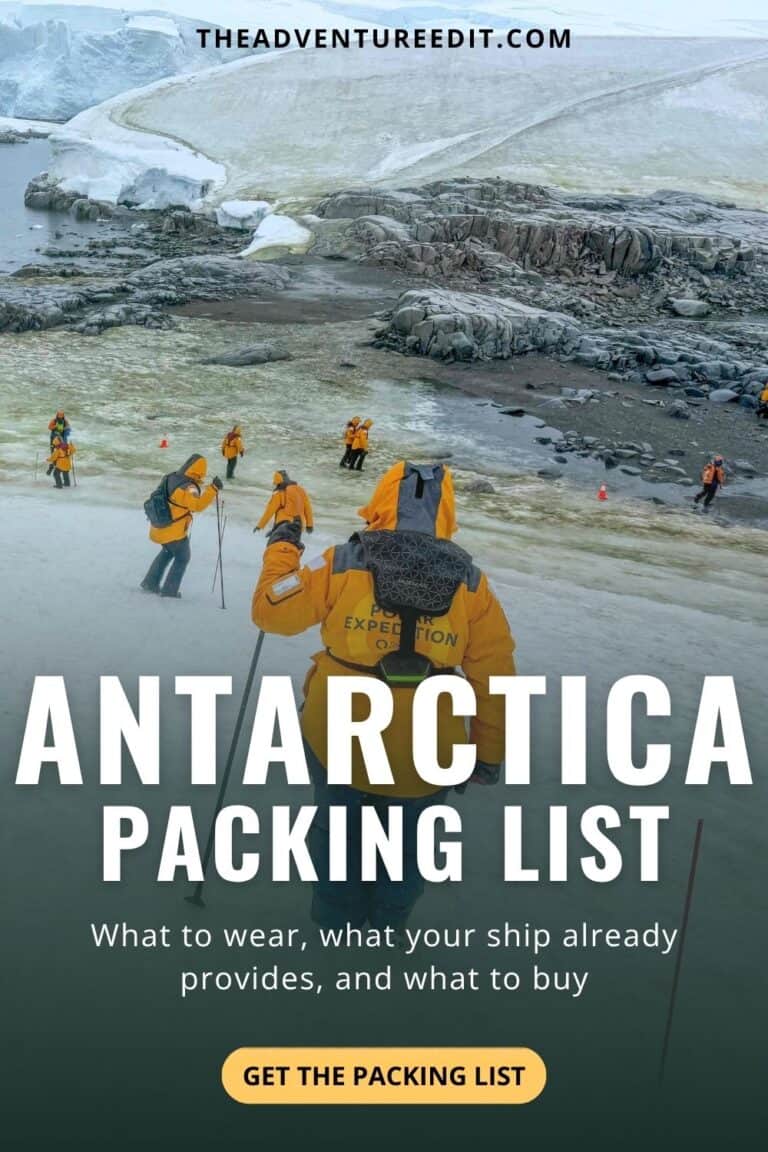
Most operators provide a full outer waterproof shell as part of your expedition kit, which means you can skip the ski jacket and rain shell entirely. The ship-provided parkas are heavy, clearly built for the poles, adjustable throughout, and did not let in a single drop during the rain we had nearly every day on the Peninsula.
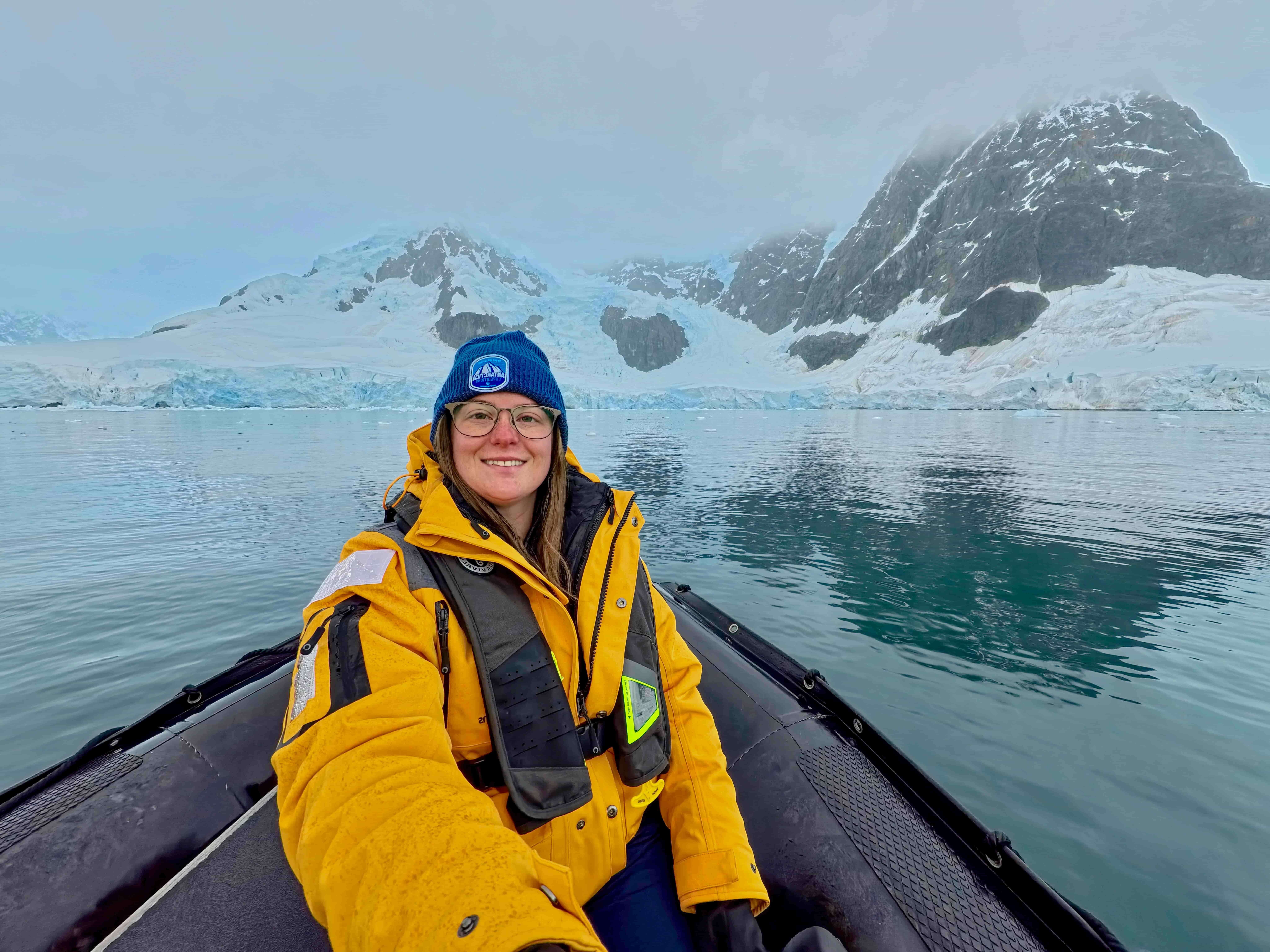
The thing about rain: the jacket looks like it’s absorbing moisture on the outside, which reads as alarming until you trust it. It’s not seeping through. Damp to the touch after a long wet excursion, completely dry underneath. You get used to it faster than you’d think.
Waterproof pants are where your experience splits depending on how you booked. If you went through a last-minute deal agency, they likely include them but confirm before you leave. If you booked directly with an operator, you’ll need to bring your own, and these should be proper ski or snow pants, not just rain pants, with boot lining that tucks over rubber boots. I borrowed a pair through our agency that were technically the same brand I use snowboarding. Multiple seasons of rental wear had taken a toll. A few afternoons I ended up with damp leggings from the knees up. If you already own solid waterproof ski pants, they’re worth throwing in.
Worth Knowing
All outerwear worn during Antarctic landings must be fully waterproof (not water-resistant) as part of biosecurity protocols designed to prevent the introduction or removal of pathogens between the Antarctic environment and the outside world. This is a regulatory requirement that applies to every passenger on every landing, not a suggestion.
Footwear, Gloves, and the Accessories That Matter
Don’t pack for your feet on excursions. Every ship provides muck boots for landings and zodiac cruises, and you’re required to wear them. What’s more important is a comfortable pair of shoes for the ship itself. Think of a pair of running shoes or cozy Uggs that are already in your closet. Plan footwear around the travel before and after Antarctica, not the expedition.
Gloves are the one item worth buying regardless of what your agency provides. Our deal agency provided liner gloves and waterproof outer gloves, and both pairs developed holes by mid-expedition. Cold hands are miserable on a zodiac when you’re trying to photograph a humpback for hours, and gloves take up almost no space. Outdoor Research and Columbia both make solid waterproof options at reasonable prices.
For headwear: if your agency provides a beanie and neck gaiter, use them, they’re fine. If you’re sourcing your own, get a beanie that sits snug and flat on top. A pom-pom hat won’t sit cleanly under the parka hood, and you’ll be wearing that hood on most landings if it’s raining. Polarized sunglasses are non-negotiable. Even overcast skies have enough light reflecting off the Antarctic landscape to leave you squinting through entire zodiac rides. Sunscreen for your face and neck (the sun’s rays are stronger in the Antarctic than people expect), and chapstick for the zodiac wind.
Splurge
Waterproof gloves, even if they’re included
Bring your own, you’ll thank me later. Rental pairs are worn down by the season. Outdoor Research or Columbia both hold up.
Waterproof pants, if required to provide your own
A good pair of waterproof ski pants (Gore-Tex or comparable) are worth it if you are required to bring your own and aren’t provided any.
Save
Ship shoes
Anything comfortable. Uggs are not ironic here, they’re practical.
Waterproof pants if your agency provides them
Slightly damp legs one afternoon won’t define the trip and are worth saving space in your suitcase
Everything Else Worth Bringing
Keep this list short. Your ship provides more than you realize and your suitcase will already be full if you don’t edit.
A camera matters more here than almost anywhere else you’ll travel. Antarctica puts wildlife within arm’s reach on landings and at distance across open water which means different lenses for both. If you have a DSLR with a distance lens, bring it. An action camera picks up angles and zodiac footage that a phone simply can’t. Bring a small daypack or dry bag for landings and zodiac cruises. Nothing is allowed to make contact with the Antarctic surface during landings, not a bag, not a glove. That’s biosecurity protocol, not optional.
Pack a swimsuit. The polar plunge is its own moment, and several ships have heated pools or hot tubs that get used after cold afternoon zodiacs. A Kindle or book for slower sea days when you’re disconnected from everything. Motion sickness medication in preparation for crossing the Drake, regardless of your track record, though many ships provide some if you’ve forgotten.
Antarctica Packing List for Your Expedition
Organized by layer and split between landing days and the ship. The checkboxes are interactive, so run through it before you pack.
Want a printable version? Get the PDF delivered straight to your inbox.
Frequently Asked Questions
What can you rent for an Antarctica expedition?
If you booked through a last-minute deal agency, gear rental is usually included at no extra charge but check with yours to confirm. Rental inventory runs through the full season and often multiple seasons back-to-back, so waterproofing on pants and gloves can degrade meaningfully. Renting is worth it for the cost savings, but bring your own gloves regardless.
Does my ship provide a parka and boots?
Confirm with your specific operator, but in almost all cases, yes. Your parka will be a 3-in-1 jacket: an outer waterproof shell and an inner down liner that can be worn together as a single jacket or as two separate pieces. Muck boots are provided for all landings and zodiac cruises. You only need shoes for walking around the ship itself.
Do I need mountaineering or technical gear?
No. Leave trekking boots and heavy technical jackets at home. The Peninsula landings most expedition cruises include are accessible without specialized equipment and if any are required, the ship will provide it for you. Lightweight quality layers, waterproof pants, and good gloves are what the conditions actually need.
What’s the luggage weight limit for an Antarctica cruise?
Most ships themselves don’t enforce strict luggage limits. The restrictions that matter are the flights to get to Ushuaia (typically 23kg checked and 10kg carry-on per person) and any charter flights included in your expedition itinerary, which tend to be stricter. Check with your operator and airline before you pack.
Before You Go
Pack less than you think, and focus on material over volume. Half a suitcase of the right materials will carry you further than three bags of options you’ll never touch: merino for base layers, a thin fleece for the ship, waterproof gloves no matter what’s included. The ships are casual, landing-day rewearing is completely normal, and your operator is providing more than you’re accounting for. Whatever’s sitting in the “just in case” pile before you zip the bag: leave it. For the logistics that come before any of this, check out my post on planning your expedition. For the complete breakdown of what the trip can run, don’t miss my post on the exact cost we paid for our 10-day expedition.
Pin For Later!